Launched in 2020 to help their clients “adapt, evolve and improve” their workplaces in the face of Covid-19, Savills’ second Office FiT survey was published in August.
And it’s a fascinating read.
Containing the responses from more than 100,000 office owners and occupiers, the results offer key insights into the future of the workplace - from the implications of the pandemic on the market to workers’ feelings towards their offices and preferences around how they want things to adapt to the new normal.
But at Design Tonic HQ, we’re most interested in what people say is important to them now when it comes to the design of commercial office interiors.
Here are our key design takeaways to help you future-proof your workplace.
The Agile Office
The pandemic may have put home working on the table for good - but it doesn’t mean workers want to be at home all the time.
A key sentiment that comes through in the report is that the office remains King for all things collaborative and social.
For example, when asked where was the better place to foster company team spirit, networking opportunities and networking, more than 60% of respondents said the office.
In all three cases, home working got no more than 7% of the vote.
Many of us now will be embracing a new hybrid work life where we split time between home and the office - an agile model of work that requires an equally agile workplace.
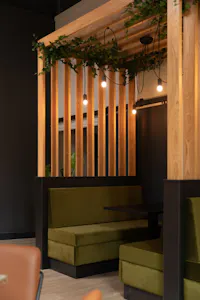
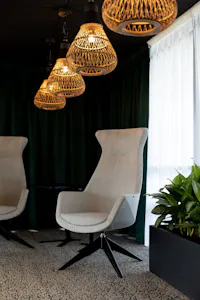
The key to creating such an adaptable office is to use clever interior design to create a range of spaces that can fulfill a variety of workers’ needs and styles of work.
What do workers want from an agile workspace?
When asked, respondents said the following were the most important factors for them in a versatile new working environment:
Allocated/ assigned desks (36%)
While workers recognise the need for shared desks in a hybrid office, few people relish the thought of regular disruption.
A (possibly unfounded) perception that they and their belongings will be moved often seems to be a driving factor in many people’s negative perception of shared desk space, triggering stress and a certain amount of resentment.
Fact is, not everyone likes to be a nomad. Most of us crave a familiar space, and are comforted by a feeling of sameness.
Two things can help with this.
One is to employ good space management.
Allocate desks over longer periods of time - maybe by the week or by project duration - so that people know they won’t be suddenly cast out and are mentally prepared for a move.
Keep colleagues and teams together, or make sure they can find one another easily, using location-based tech.
The other is to use good design to create a different kind of “home” for workers.
One idea is to provide workers with a locker and “pod” for their belongings, so they can be easily moved from one place to another and stored safely at the end of a working shift.
Space for teams to gather 36% + Social/ Breakout spaces 34%
There were 5 factors where the office absolutely trounced home working in the survey - and all relate to working with others.
- Company Team Spirit (68% vs 6%)
- Networking opportunities (65% vs 6%)
- Collaboration (63% vs 7%)
- Mentoring (58% vs 7%)
- Support from Management (40% vs 8%)
We’ve long championed building a variety of collaborative and social spaces into our commercial interiors, so this comes as no shock.
After all, our working days are made up of lots of different types of task - some may need quiet focus, some call for creative collaboration, some involve client engagement.
Each of those types of task needs a different type of space to allow workers to do their work well - our agile, modern workplaces need to facilitate solo and collaborative working styles within the same area.
And sometimes? We all need a break and a brew.
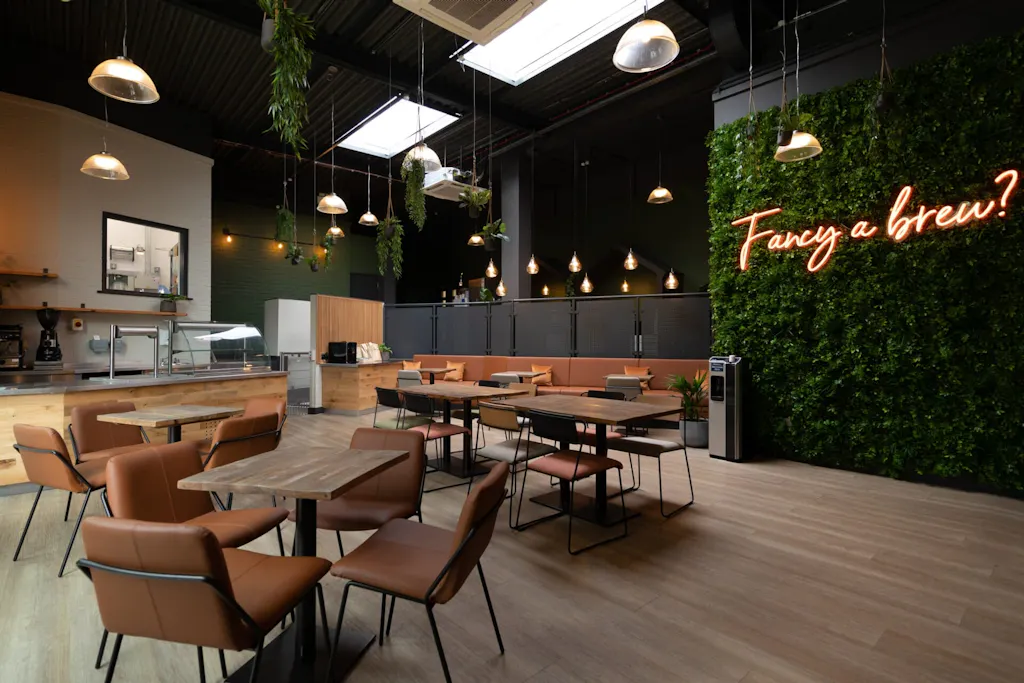
One of our favourite agile workplace designs was this multi-functional breakout space we created for Leeds-based Search Labs.
Here, collaboration is key. This area has something for everyone, mixing quiet zones, social zones and larger gathering areas to make sure there’s somewhere productive to go no matter what task is underway.
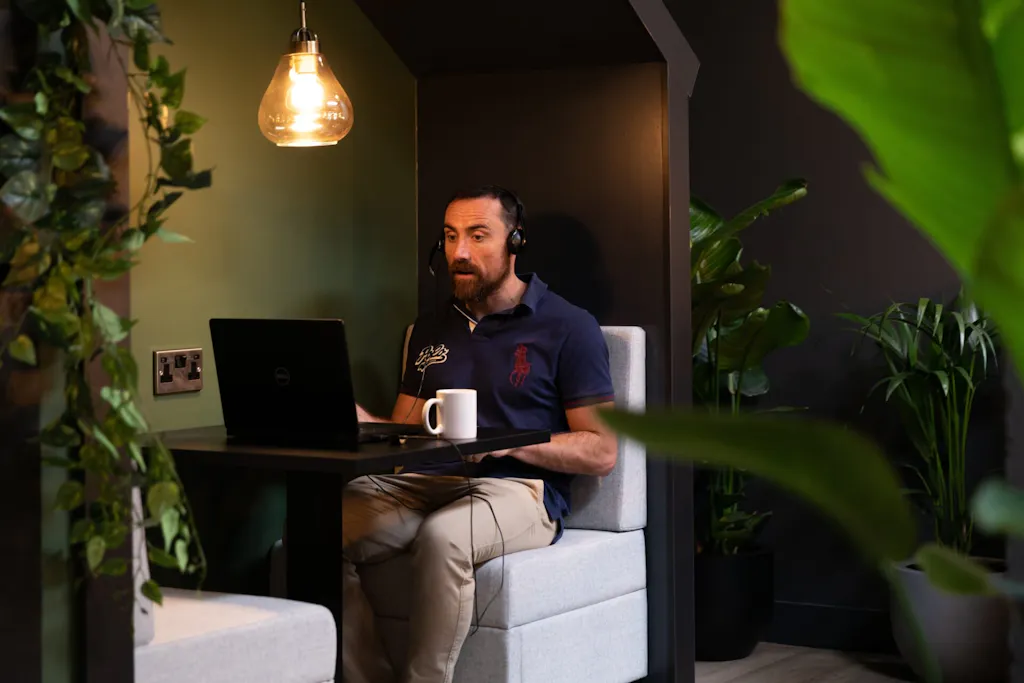
Meeting rooms with video call facilities - 30%
There’s no denying the convenience of virtual calls for client catch-ups and remote team collaboration.
And there’s no denying that more and longer calls - with more participants - can be a big disruption to surrounding staff if not effectively separated from productive work areas.
No surprise then that 30% of respondents to the survey highlighted larger meeting rooms with audio and video facilities amongst their most important future workplace factors.
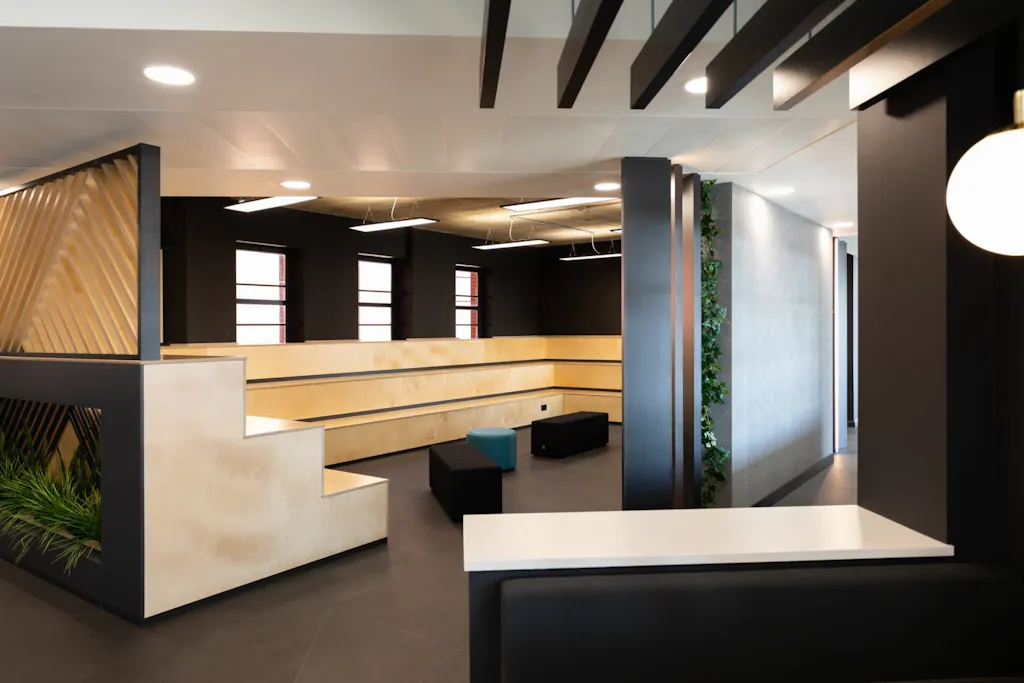
Our design for global recruitment specialists Charlton Morris saw us create a number of options for video and conferences, including formal meeting rooms and a fantastic mini lecture hall for larger team calls and training sessions.
Need a little help to create the perfectly configured agile office? Let’s chat…
Redesigning the Office Experience
The other overriding effect of the pandemic on our work lives is that we’ve grown used to having the comforts of home at our disposal.
We’ve talked before about the rise of resimercial in today’s commercial office design - and how effectively the functionality of the workplace and the wellness aspects of the home environment can fuse together.
This is borne out by the results of the survey, with 62% agreeing that the overall workplace experience was important to them - and a massive 74% expressed concerns about acoustic comfort.
Green Spaces for Happy Faces
Luckily, clever interior design touches can create an ideal workplace environment with sensory wellbeing at its heart.
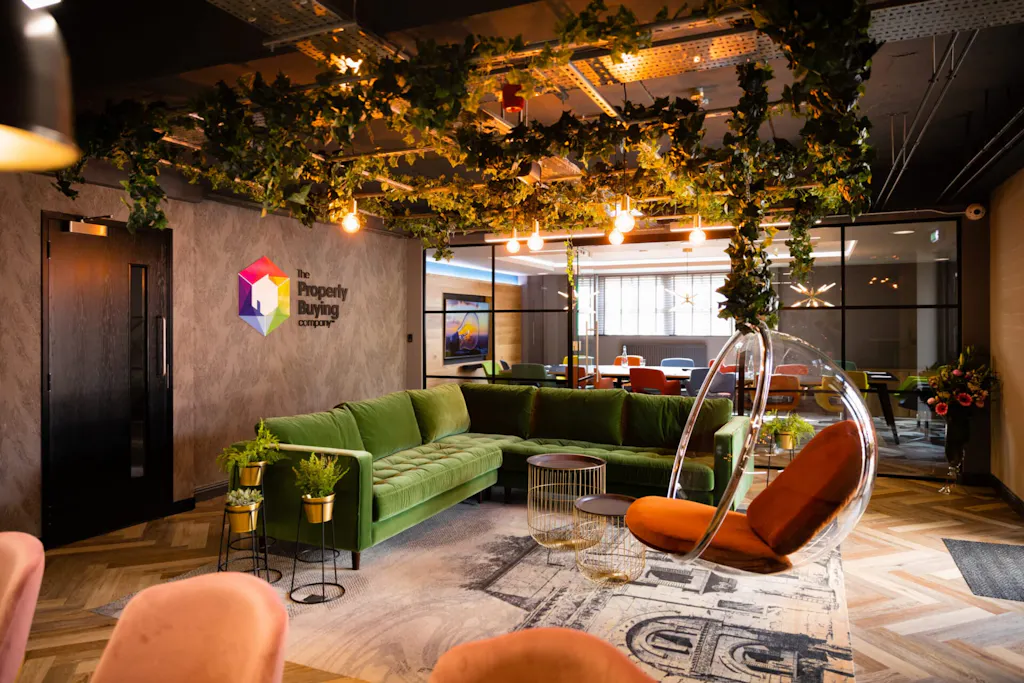
Our love of biophillic design at DesignTonic is no secret!
Lush, green planting throughout your office space brings the outside world in, which - especially coupled with natural ventilation - is proven to reduce stress as well as increasing creativity and productivity.
From living walls and ceilings to cabinet top planters and jungle corners, there are so many ways plants - real or fake - can be used to create a stunning slice of nature inside the work environment.
Soft Touches
Using tactile materials to increase the feeling of comfort is another way we designers look to bring sensory elements into a commercial scheme.
With the post-pandemic world in mind, the DesignTonic team have been looking to natural finishes which offer anti-microbial properties, like some metals, woods and stone - always incorporating plenty of safe-yet-plush luxury to soften any hard edges.
Cut the Noise
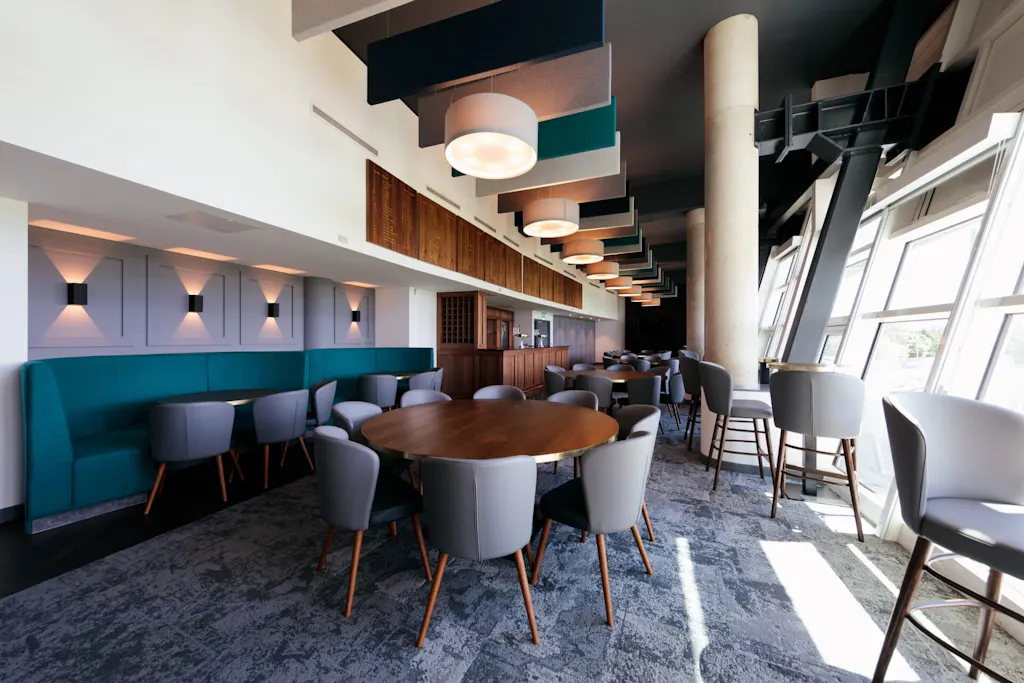
Most significantly, one of the strongest responses from workers concerned noise. Even before the pandemic hit, noisy open spaces featured high on work stress lists.
Now, used to the peace of home (homeschooled children notwithstanding), a massive 74% said they were concerned about disruptive noise levels when they returned to work.
For some time now, we’ve worked with sonic specialists Agile Acoustics.
Their clever panels, tiles and screens are the ideal design-led solution to absorb distracting sounds, working exceptionally well for our clients across their offices, retail, leisure and media projects.
They even work their good-looking magic in open-plan sports hospitality spaces destined to be filled with post-match merriment, like The Hawke Suite interior we created for Yorkshire County Cricket.
Our Conclusion? Positive Vibes
We think the Office FiT report is full of lots of optimism for the future of the workplace.
Responses a year on show a clear increase in workers’ positive sentiment towards and desire to return to the workplace.
Because let’s face it - home working has its benefits but, if the past 18 months has taught us anything about the way we work, it’s that the social and collaborative aspects of work are much better delivered in the office environment than over Zoom.
We just need to be more adaptable in how we approach our new working lives - and intelligent commercial design is the perfect ally.

